What's Next? The Naturcolor Guide to Hair Care After Coloring
You've colored your hair and love the result. Now what? This guide covers how long to wait before your first wash, which products to use, the everyday habits that protect your shade, and when to plan your next touch-up.
You rinsed, you styled, and you're looking at a color you love. Now comes the question that isn’t always answered on the box: what happens next?
Knowing what to do after coloring hair can be the difference between a shade that looks rich and fresh for weeks and one that starts to dull within days. The good news is that hair care after coloring doesn't have to be complicated or expensive. It comes down to timing, a few smart product choices, and some easy everyday habits.
This guide walks through all of it, so you know what's coming and can feel confident about it.
The First Few Days: How Long to Wait to Shampoo After Coloring Hair
Let's start with the question we hear most often: when can I wash my hair?
After coloring, the pigment needs time to fully settle into each strand. Permanent color works through oxidation, which means pigment molecules react, enlarge, and become trapped inside the hair shaft. That process takes a little while to complete, and during that window the cuticle (the outer layer of the hair) is still slightly raised. Washing too soon gives color molecules an easy exit. Your color results will set better and last longer if you practice a little patience.
We recommend 48 to 72 hours. That short wait is one of the biggest factors in how long your color holds its richness.
If your hair feels like it needs a refresh before then, rinse with cool water only. No shampoo, no scrubbing, just a quick rinse to freshen up. Dry shampoo at the roots can also help you stretch the time between washes without disturbing your color.
Once the 72 hours have passed, you can introduce a gentle step that many people with color-treated hair love: a mild, well-diluted apple cider vinegar (ACV) rinse. The hair coloring process opens the cuticle to let color in, and ACV is slightly acidic, which helps encourage the cuticle to lie flat again. A smoother cuticle also reflects light better, which is why an ACV rinse can bring out shine and help support color retention. Keep it diluted (a tablespoon or so in a cup of cool water is a common starting point), pour it over your lengths after shampooing, and rinse it out.
One more rule that applies from the very first wash and never expires: use cool or lukewarm water, not hot. Hot water lifts the cuticle and gives color the opportunity to leave early. A cool final rinse does the opposite, helping seal things back down.
Timing is only half the story, though. What you wash with matters just as much as when you wash, which brings us to your hair care routine.
Building Your New Hair Care Routine
If you're wondering what products you need now, the short answer is fewer than you might think, as long as they're the right ones. Here's what to look for:
Sulfate-free, color-safe formulas. Sulfates are strong surfactants that create that big, foamy lather. They're very effective at cleansing which can also pull color out of the hair shaft. A shampoo that's designed for color-treated hair uses gentler cleansing agents that remove oil and buildup without stripping color.
Gentle cleansing, not deep cleansing. Harsh clarifying shampoos and "detox" formulas are built to reset your hair, and unfortunately that includes your color. Save those for another time, or skip them entirely.
Watch for citrus. Citrus-based products can be surprisingly aggressive on color. If a product leans heavily on citrus oil, it's best to leave it on the shelf for now.
If you'd like products designed with color-treated hair in mind, here's how the Naturcolor hair care line fits into the days and weeks after coloring:
-
After Color Treatment is formulated specifically for right after coloring, when your hair is most in need of care, though some people like to use it as an ultra-gentle regular shampoo alternative.
-
Rejuvennis Shampoo offers gentle cleansing built for color-treated hair.
-
Echinacea Herbacreme Conditioner provides daily moisture that supports vibrancy and keeps hair soft.
-
Phytovitamin Tonic supports ongoing nourishment between colorings.
Good to know: Your Naturcolor kit already came with a sample of After Color Treatment and Echinacea Herbacreme Conditioner. Consider this your introduction to the rest of the routine.
Together, these cover the basics: a gentle wash, added moisture, and ongoing nourishment. You can explore the full hair care line here.
Everyday Habits That Help Your Color Stay Vibrant
Beyond products, the small things you do day to day have a surprisingly large effect on how long your color looks fresh. None of these require much effort, and most of them cost nothing. Think of this as your "here's how to keep loving it" list.
Space out your washes where you can. Every time you wet and shampoo your hair, a little color goes down the drain. Washing two or three times a week instead of daily is one of the easiest ways to extend your results. Dry shampoo between washes is color's best friend, since it manages oil at the roots without any water or friction.
Limit high heat styling, or use a heat protectant. Flat irons and curling irons at high temperatures can dull color and dry out the hair. Turn the heat down when you can, and use a heat protectant when you can't.
Give your hair a little sun protection. UV rays can fade color the same way they fade a favorite shirt. On long beach days or afternoons in the garden, something as simple as a hat or scarf goes a long way. Or, look for leave-in conditioners, oils, or sprays specifically formulated with UV absorbers (such as octyl salicylate or ethylhexyl salicylate) that shield the hair and protect color.
Pay attention to your water. If you live in an area with hard water, mineral buildup can leave hair looking dull and can shift your tone over time. An occasional clarifying treatment can keep your shade true, just not too soon after coloring. Wait until the first couple of weeks have passed, and choose carefully. Look for color-safe rinses and treatments, or color-safe chelating shampoos. These are gentle formulas that contain mild concentrations of ingredients like citric acid or phytic acid to dissolve minerals safely, without stripping the color you just applied.
Be gentle with friction. Rough towel drying and tight hairstyles can rough up the cuticle. Pat your hair dry, and choose looser styles while your color is still settling in.
You don't need to do all of these perfectly. Even adopting two or three can help make a difference in how your color holds up.
Is This Normal? Shedding, Texture, and Scalp Feel
After coloring, it's common to start noticing things about your hair and wondering whether they're cause for concern. Let's address the most common ones.
A little extra hair in the shower. Seeing more hair than usual in the drain or on your brush in the days after coloring is common, and it's usually mechanical. Hair naturally sheds every day, and when you go a couple of days between washes, those shed hairs stay put until you finally shampoo and comb. All of the washing and detangling happens at once, so it can look like more than it really is. It isn't a sign that anything has gone wrong.
Changes in texture. Your hair may feel a little different right after coloring, perhaps slightly thicker, grabbier, or less slippery than usual. Any temporary change in feel typically settles within the first couple of washes, once the cuticle has fully closed and the hair has had a chance to rest.
What a healthy result looks like. Freshly colored hair that's been treated with care should look glossy and feel soft within a short time.
That said, you know your hair and your scalp better than anyone. If you notice persistent scalp discomfort, unusual or ongoing shedding, or anything that simply doesn't feel right, reach out to our customer service team or check in with your doctor. A quick conversation is always better than wondering.
Planning Ahead: When You'll Need to Think About This Again
One of the best things you can do after coloring is also one of the simplest: know roughly when you'll be back at it.
Most people start to notice regrowth at the root line around 4 to 6 weeks after coloring, though this varies depending on how quickly your hair grows and how much contrast there is between your natural color and your shade. If you're covering significant gray, the root line may be visible a little sooner.
Here's a more helpful way to think about it. Instead of reacting when you spot your roots in the mirror and feeling that "my secret's showing" moment, you can plan for it. Knowing your timeline means you're simply ahead of it.
It also helps to know that you have two options when the time comes:
-
A root-only touch-up focuses on the new growth, leaving the rest of your color alone. This is the most common choice for regular maintenance.
-
A full color refresh covers everything, which is useful when your lengths and ends have faded or you want to modify your shade or renew it overall.
Either one is straightforward to do at home with Naturcolor, so you can choose whichever suits your hair that month.
A small practical tip: set a reminder on your phone, or simply note your color date on a calendar. A reminder around the four-week mark gives you plenty of time to order, plan, and color on your own schedule. No pressure, just a little preparation.
Will It Look the Same Next Time?
If you've been happy with your color, there's a quiet hesitation that often comes right before reordering: will my next box give me exactly what I got this time?
Naturcolor is handmade in small batches, using botanical ingredients like herbs and flower extracts. That's a big part of what makes the color feel so natural and gentle, and it's also why we don't think of it the way a factory thinks of a mass-produced dye. Plants are living ingredients, and things like growing season can influence them in subtle ways. Handcrafting adds its own human touch, too.
Each batch is made to the exact same formulation and held to the same standards, and the variation we see from batch to batch is very small and unnoticeable to the average person. You can count on the same shade, the same gentle process, and the same botanical approach every time, with the same subtle variation you’d often see with people’s own natural hair color.
If you ever want extra reassurance, real guidance is one message away. Our photo-based shade matching support lets you send in a photo and get personalized advice from a color specialist. It's not just for first-time buyers. If you're repeating a favorite shade, thinking about a slight adjustment, or simply want a second opinion before reordering, we're glad to help.
Find your shade or reach out to a color specialist anytime, not just before your first order.
The Takeaway
Good hair care after coloring really comes down to a few ideas you can remember easily:
-
Wait 48 to 72 hours before that first shampoo, and rinse with cool water if you need a refresh sooner.
-
Choose gentle, sulfate-free, color-safe products, and skip harsh clarifying formulas.
-
Keep water cool, heat low, and washes spaced out where you can.
-
Don't worry about a little extra shedding or a temporary change in texture. It settles quickly.
-
Plan for your next touch-up around the 4 to 6 week mark, so it's a routine instead of a surprise.
Your color is a result of good chemistry, and keeping it looking its best is mostly about what you do in the days and weeks that follow. With the right timing, the right products, and a few easy habits, your color can stay rich, glossy, and vibrant until it's time to do it all again.

NATURCOLOR BOTANICAL-BASED HAIR COLORS
Experience the gentle difference. Our ammonia-free, botanical-based formula delivers vibrant, permanent color and guaranteed gray coverage while nourishing your hair for a healthy, radiant shine.
Browse all colorsHair Coloring Tips
view all
Is There a Difference Between Home Hair Color and Salon Color?
Many people assume salon color is always the superior choice, but the real answer is more nuanced. This post explores...
read more
How to Fix Common Hair Color Oopsies (Like Brassiness or Orangey Tones)
Unexpected hair color results happen to everyone. Whether you're dealing with brassiness, orange tones, or a shade th...
read more
Welcome Spring with a Color Glow-Up: Seasonal Tips from Our Experts
Spring is the perfect time to refresh your hair color, but where do you start? Our color experts answer your top que...
read more
The 11 Best Ways to Make Gray Hair Coverage Last Longer
Great gray coverage can fade fast... but it doesn't have to. From your shampoo choice and wash frequency to heat, sun...
read more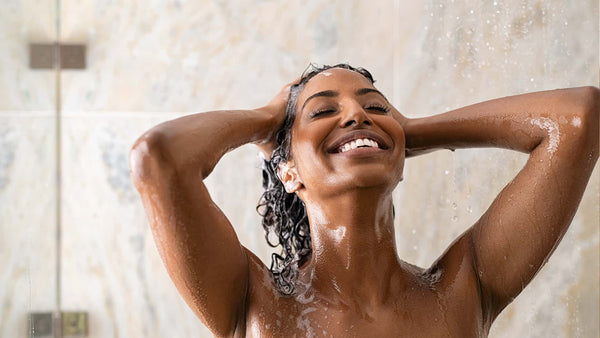
To Wash or Not to Wash? Busting A Common Hair Coloring Myth
Clean or dirty hair... which gives better color results? This quick myth-busting guide cuts through the confusion and...
read more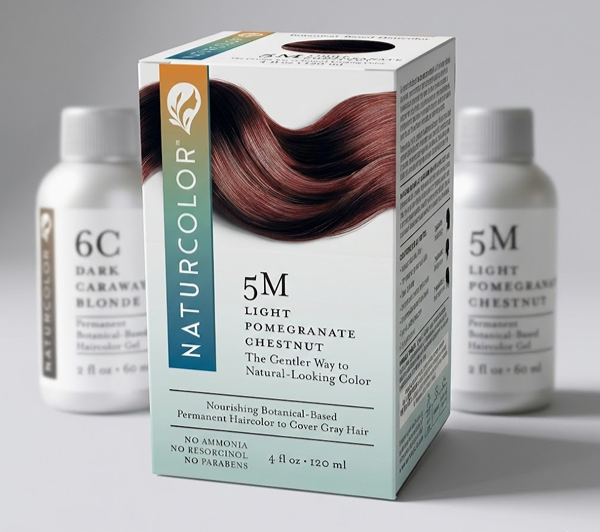
Why Choose Naturcolor?
Effective hair color shouldn't come at the cost of your hair's health. Discover why Naturcolor's botanically based, l...
read more

Ready for Hair that Looks Born, Not Bottled?
“This is a quality brand of hair color. It is gentle and easy to use. Doesn't contain the harsh chemicals of well known retail brands... No harsh smell.... very natural looking, not stark and fake like other brands that I've used. I even mix colors for a better color result. Leaves hair soft, not stiff. ”
 Barrett,
Verified Buyer
 Barrett,
Verified Buyer
No resorcinol or ammonia
Beautiful, natural-looking color guaranteed
Easy to maintain so you always look your best

