Transitioning to Gray Hair: What to Expect and How to Cope
Going from coloring your hair to not coloring is a change that deserves a plan. This guide walks through what the transition looks like, how long it takes, and the blending, trimming, and hair care strategies that make transitioning gray hair feel manageable.
Deciding to stop dyeing your hair and embrace what's growing in naturally is a commitment that requires a plan. If you're transitioning gray hair, you need more than a Pinterest board of silver-haired influencers, you need an honest roadmap: what the grow-out actually looks like, how long it takes, and what to do when the mirror feels discouraging.
The reality is that the gray hair transition has a messy middle, and almost no one warns you about it adequately. On the bright side, that the messy middle is finite, and there are real strategies that make it look intentional rather than accidental. Some women find that a gentle, partial-color approach helps ease the visual contrast during those first several months. Botanical, customizable options like Naturcolor exist specifically for that purpose, softening the root line without locking you back into a full-coverage routine. Whether you go that route or not, the plan below will help you move through the transition with clarity.
The in-between stage nobody really prepares you for
What's actually happening to your hair during the grow-out
About four to eight weeks after your last color treatment, you'll start to see a visible line where new gray regrowth meets the previously dyed lengths. This is called the line of demarcation, and it can look unsettlingly stark, almost like a horizontal stripe dividing two different heads of hair. The contrast happens for two reasons: pigment difference and texture difference. Gray hair has a coarser, slightly wiry structure compared to chemically processed strands, so even when the color gap is subtle, the texture difference makes the line feel obvious. However, it should be reassuring to know that you probably notice this line far more than anyone around you does.
The emotional weight of watching your natural color come in
It's common to feel an unexpected, almost grief-like, emotion when you see the stripe of silver grow in the mirror, even when going gray was entirely your choice. The decision sounds liberating in theory but can feel disorienting in practice since you’re changing something as visible and identity-linked as your hair color. Feeling conflicted doesn't mean the decision was wrong. The awkward stage is temporary, and the discomfort of the in-between is not a sign to reverse course. It's just part of the process.
How long the gray hair transition actually takes
Timeline estimates for short and medium hair
Hair grows about half an inch per month on average, and that single number drives every timeline estimate you'll find. For a pixie cut or very short crop, a full grow-out to natural gray typically takes six to twelve months. For a short bob or medium-length style, the more realistic window is twelve to eighteen months. Women with shorter hair have a real advantage here, and a strategic cut early in the process can compress the most awkward visual transition stage significantly without requiring you to sacrifice much length.
What longer hair means for your patience and your plan
For shoulder-length or long hair, the honest answer is eighteen to thirty-six months for a complete grow-out, depending on your starting length and growth rate. That can feel like a long time, but it also gives you room to experiment before you're fully committed. You can gauge how much gray you actually want, adjust your blending approach as more comes in, and find the shade palette that works best for your skin tone. A strategic cut at the six-to-eight-month mark, removing the oldest, most processed ends, can shorten the perceived wait considerably.
Transitioning gray hair: blending strategies that make the grow-out look intentional
Salon techniques worth knowing about
Four salon techniques show up consistently in gray transition plans, each serving a slightly different purpose. Babylights and fine highlights soften the demarcation line by weaving lighter strands through the dyed lengths, reducing the stark boundary. Lowlights do the opposite, adding depth and dimension to make the new gray look like a deliberate design decision rather than regrowth. Balayage is the most low-maintenance option: a hand-painted blend that grows out gracefully without leaving a harsh root line. Root smudging, sometimes called a root shadow, blurs the exact point where new growth meets old color at the scalp, and it's the fastest fix when contrast is high and you need results quickly.
In terms of time, a root smudge adds about twenty minutes to an existing color appointment. Balayage runs roughly two and a half to three and a half hours per session. These are investments, but done well, they transform the grow-out from something you're managing into something that looks like a style you chose.
At-home partial coverage: softening roots without a hard line
For women who want to manage root contrast between salon visits, or who prefer a fully at-home approach, Naturcolor's botanical-based shades are a well-suited option for transitioning gray hair. The brand's 31 mixable shades allow for a softer, more graduated effect that blurs the line of demarcation rather than creating a fresh, sharp boundary between new and old. Since N shades are formulated for gray coverage, you’ll want to base your mix on a non-N series color that matches your natural warmth: the cool-toned Ash (C) series for hair fading into gray or a silvery white, or the warm-toned Golden (D), Copper (R), or Mahogany (M) series for hair coming in with more warmth. Add N Series colors only in small amounts, for pigment weight, since a mix that's half N or more will still deliver full coverage rather than a blend. The 2-minute color quiz is a quick and easy way to identify which shade combination matches your hair color, level of darkness, tone, and how much coverage you want.
How to decide between salon and at-home approaches
The choice isn't all-or-nothing. Salon techniques are best when the contrast is high and you need to look polished fast, especially at the start of the transition when the line is most stark. At-home options work well for ongoing maintenance between appointments, or for women who want a gradual, gentle approach and prefer to avoid the cost of a salon. Both paths can achieve the same goal: a grow-out that looks like yours, not like something that happened to you.
Haircut and trim strategies that work in your favor
Strategies for short and medium-length styles
For pixie and short bob styles, the fastest way through the transition is staying close to that length rather than growing it out. A trim every four to six weeks that keeps the cut roughly where it started removes the dyed ends about as quickly as new gray grows in, which is why a pixie can be fully transitioned in six to twelve months. Regular shape maintenance, not just letting things grow, is helpful in keeping that timeline on track.
Managing the grow-out in longer, layered styles
For medium and long hair, micro-trims every eight to twelve weeks remove split ends and improve the overall silhouette without costing you meaningful length progress. Ask your stylist for "dusting", removing only the very tips of the hair, sometimes just a quarter inch, to clean up the ends without setting back the timeline. Accessories can be helpful tools to use during the awkward middle months. A claw clip, a soft headband, or a casual updo can obscure the color inconsistencies on days when the grow-out feels frustrating.
Keeping your transitioning gray hair toned, healthy, and hydrated
Neutralizing brassiness and yellowing in gray hair
Purple and violet shampoos are the workhorses for gray and silver hair, depositing cool pigment that counteracts the yellowing that naturally develops over time. Use them about once a week as a starting point, leaving the product on for one to three minutes before rinsing. Daily use can push the tone too far toward an ashy or lilac cast, so frequency matters. If your hair starts looking dull or slightly purple, pull back to every two weeks. Look for formulas that include hydrating ingredients like hyaluronic acid or amino acids. Gray hair tends to run drier than pigmented hair, and a stripping shampoo can make texture problems worse.
Moisture and conditioning during the grow-out
Gray hair is structurally different from colored hair. It tends to feel more coarse or wiry, absorbs product differently, and needs consistent conditioning attention to stay soft and manageable. During the transition, your hair is carrying two different structural realities at once: the new gray growth and the older, dyed lengths. Protein-moisture balance matters more during this phase than at any other point in your hair care routine. Pair your toning shampoo with a reparative or deeply moisturizing conditioner, and consider a weekly deep conditioning treatment during the months when the demarcation line is most visible. This keeps both textures in good condition and makes the overall appearance of the transition cleaner.
You're closer than you think
Going gray gracefully is less about achieving a flawless outcome on a specific date and more about making the journey feel manageable, even interesting, as it unfolds. Transitioning gray hair takes patience, but it doesn't have to feel like something you're just enduring. A realistic timeline, a blending strategy that fits your lifestyle, the right trim schedule, and a consistent product routine are enough to make the process feel like yours.
If you want at-home support during the transition, Naturcolor removes the guesswork from shade selection. The botanical formula is gentle enough for the frequent use that transitions often require, and the 2-minute color quiz will point you toward the right blending shade for where your hair is right now, not where it was at your last appointment. Start there if you're unsure where to begin, or get personalised support from one of Naturcolor’s color experts by calling 800-784-8212.
The gray growing in is yours. It's been there all along, and with the right approach, the grow-out becomes just another chapter in a longer, healthier hair story. Take it one month at a time.

NATURCOLOR BOTANICAL-BASED HAIR COLORS
Experience the gentle difference. Our ammonia-free, botanical-based formula delivers vibrant, permanent color and guaranteed gray coverage while nourishing your hair for a healthy, radiant shine.
Browse all colorsManaging Gray Hair
view all
Gray Hair Myths vs. Facts: What Actually Matters for Coverage
Gray hair coverage comes with a lot of rules; most of them wrong. We'll separate four common myths from the science-b...
read more
Welcome Spring with a Color Glow-Up: Seasonal Tips from Our Experts
Spring is the perfect time to refresh your hair color, but where do you start? Our color experts answer your top que...
read more
The 11 Best Ways to Make Gray Hair Coverage Last Longer
Great gray coverage can fade fast... but it doesn't have to. From your shampoo choice and wash frequency to heat, sun...
read more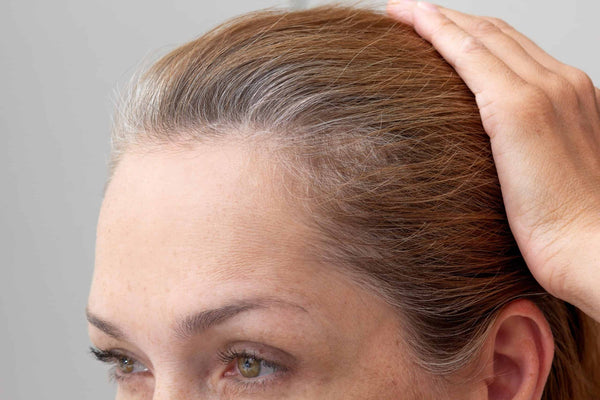
Why Your Gray Coverage Didn't Work (And How to Fix It)
Gray hair is more resistant than you think—and that's why even careful coloring sometimes falls short. Discover the t...
read more
To Wash or Not to Wash? Busting A Common Hair Coloring Myth
Clean or dirty hair... which gives better color results? This quick myth-busting guide cuts through the confusion and...
read more
Five Botanicals To Rejuvenate Your Hair
Nature has been nourishing hair for centuries; and it still works. Meet five powerful botanicals, from aloe vera and ...
read more
Dump the Gunk: Remove Product Build-Up to Reveal Healthy, Shiny Hair
Product build-up could be the hidden culprit behind dull, lifeless, unmanageable hair. Learn how to spot the signs, w...
read more
Are Your Roots Too Oily or Too Dry? Three Tips to Balancing Your Scalp Health
Oily roots or a dry, flaky scalp? The fix might be simpler than you think. Explore three natural, low-cost strategies...
read more
How to Embrace Your Gray Hair
Going gray isn't something to hide, it's something to celebrate. From blending techniques and moisture tips to cultiv...
read more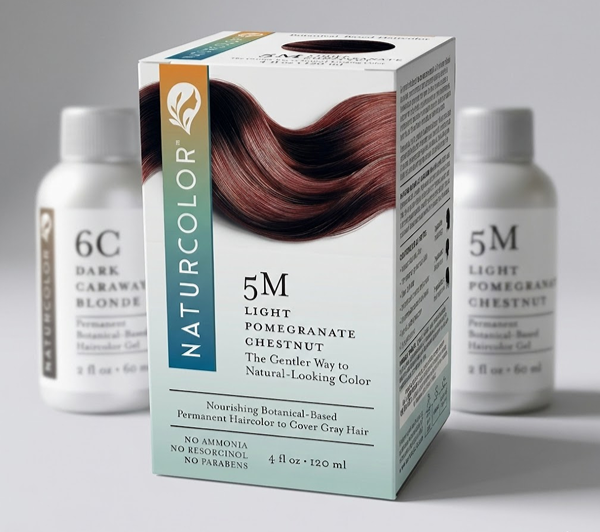
Why Choose Naturcolor?
Effective hair color shouldn't come at the cost of your hair's health. Discover why Naturcolor's botanically based, l...
read more
7 Tips to Vibrant Summer Hair
Sun, salt water, chlorine, and heat can take a serious toll on your hair all summer long. From protecting your color ...
read more
5 Ways to Care for Gray Hair Naturally
Gray hair is beautiful — but it needs a little extra love. From locking in moisture and clarifying with apple cider v...
read more
Meet Naturcolor: Herbal-Based Hair Color Gel Handmade to the Highest Standards
Since the 1980s, Naturcolor has handcrafted small-batch, botanical-based hair color from the finest Italian pigments....
read more

Ready for Hair that Looks Born, Not Bottled?
“This is a quality brand of hair color. It is gentle and easy to use. Doesn't contain the harsh chemicals of well known retail brands... No harsh smell.... very natural looking, not stark and fake like other brands that I've used. I even mix colors for a better color result. Leaves hair soft, not stiff. ”
 Barrett,
Verified Buyer
Barrett,
Verified Buyer
 Barrett,
Verified Buyer
Barrett,
Verified Buyer
No resorcinol or ammonia
Beautiful, natural-looking color guaranteed
Easy to maintain so you always look your best

